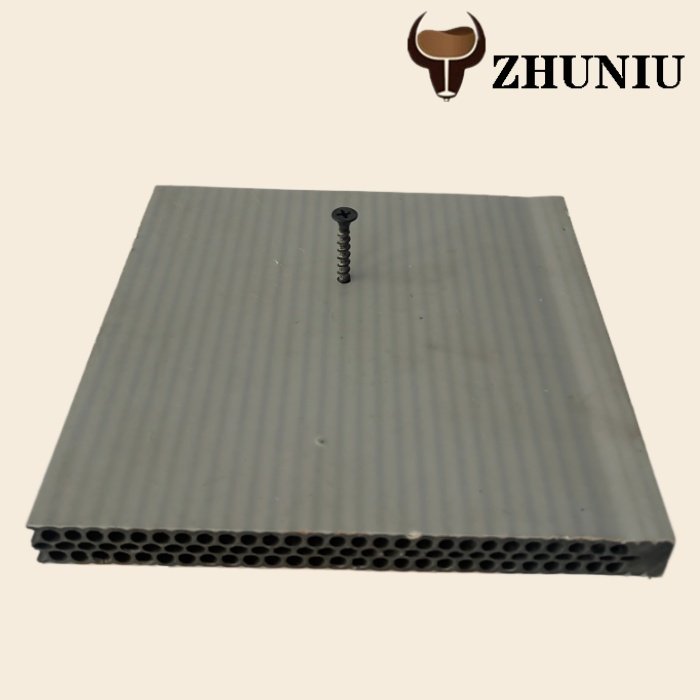
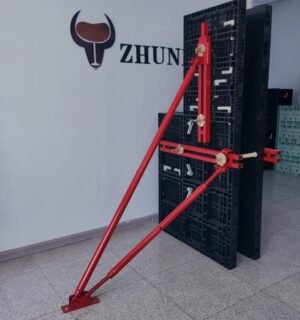
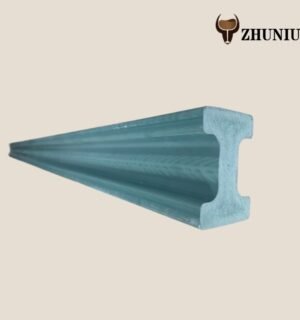
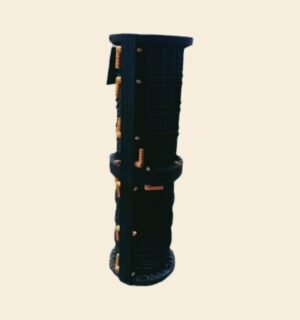
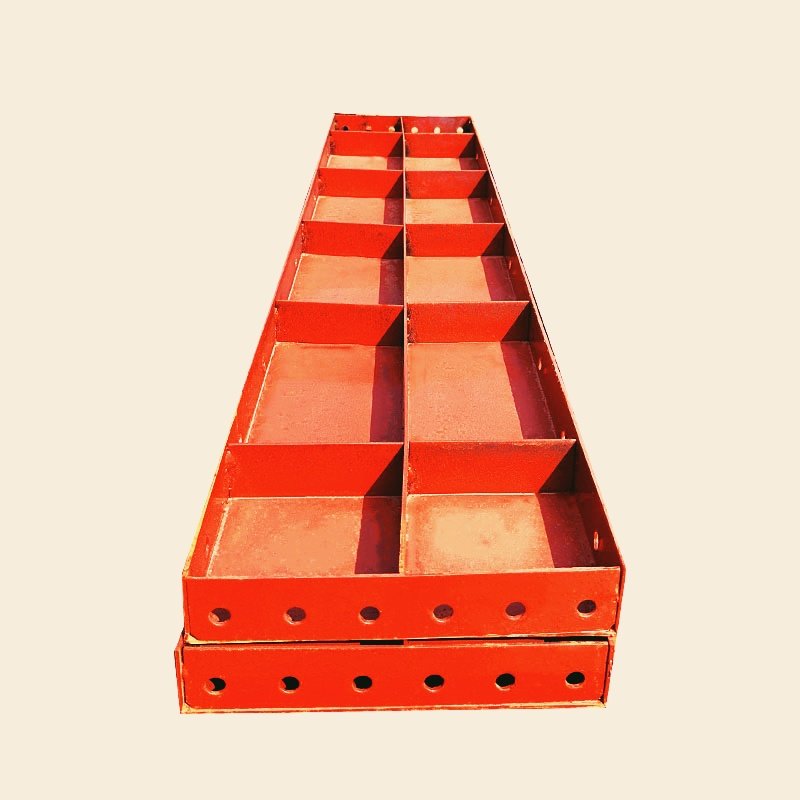
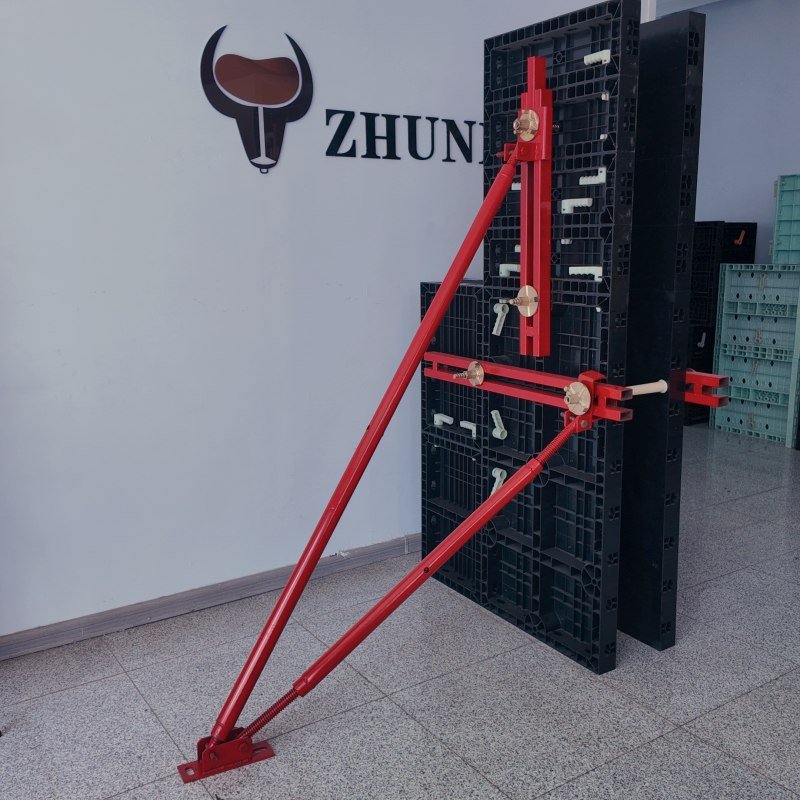
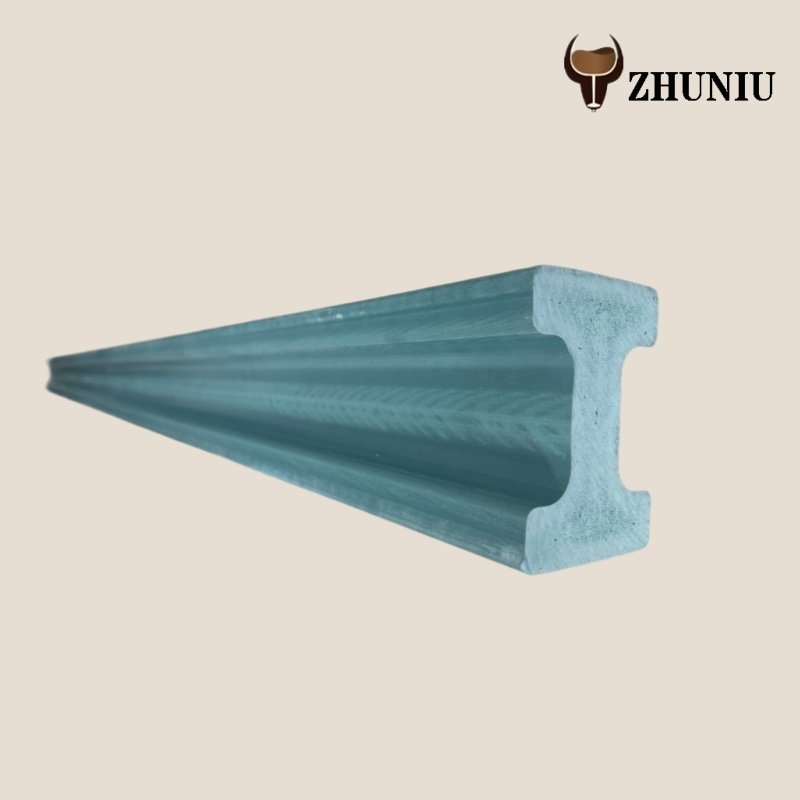
PP Hollow refers to a type of engineered plastic formwork made from polypropylene (PP) with a hollow-core internal structure. This design combines lightweight properties with high structural rigidity, making it ideal for concrete casting applications.
PP Hollow refers to a type of engineered plastic formwork made from polypropylene (PP) with a hollow-core internal structure. This design combines lightweight properties with high structural rigidity, making it ideal for concrete casting applications. The hollow cavities reduce material usage without compromising strength, resulting in panels that are typically 30–50% lighter than solid alternatives.
2. What is plastic formwork used for?
Plastic formwork is primarily used as a temporary mold to shape and support freshly poured concrete until it hardens and gains sufficient strength. It is widely applied in constructing vertical elements like walls and columns, as well as horizontal structures such as floor slabs, beams, and foundations. Due to its modular and standardized design, plastic formwork is especially effective in repetitive building projects—such as housing complexes, schools, and industrial facilities—where speed, consistency, and surface quality matter. The smooth finish it imparts often eliminates the need for additional rendering or plastering, saving time and labor costs. Beyond new builds, it’s also used in renovation work, infrastructure repairs, and precast concrete operations. Because it’s non-porous and chemically inert, plastic formwork doesn’t react with concrete, preventing stains or surface defects. Its reusability makes it economically and environmentally superior to single-use timber. Additionally, its lightweight nature allows manual handling without cranes, ideal for sites with limited access or small crews. In essence, plastic formwork bridges the gap between cost-efficiency and performance, offering a practical solution for modern, sustainable construction across diverse project scales.
3. What are the different types of plastic formwork?
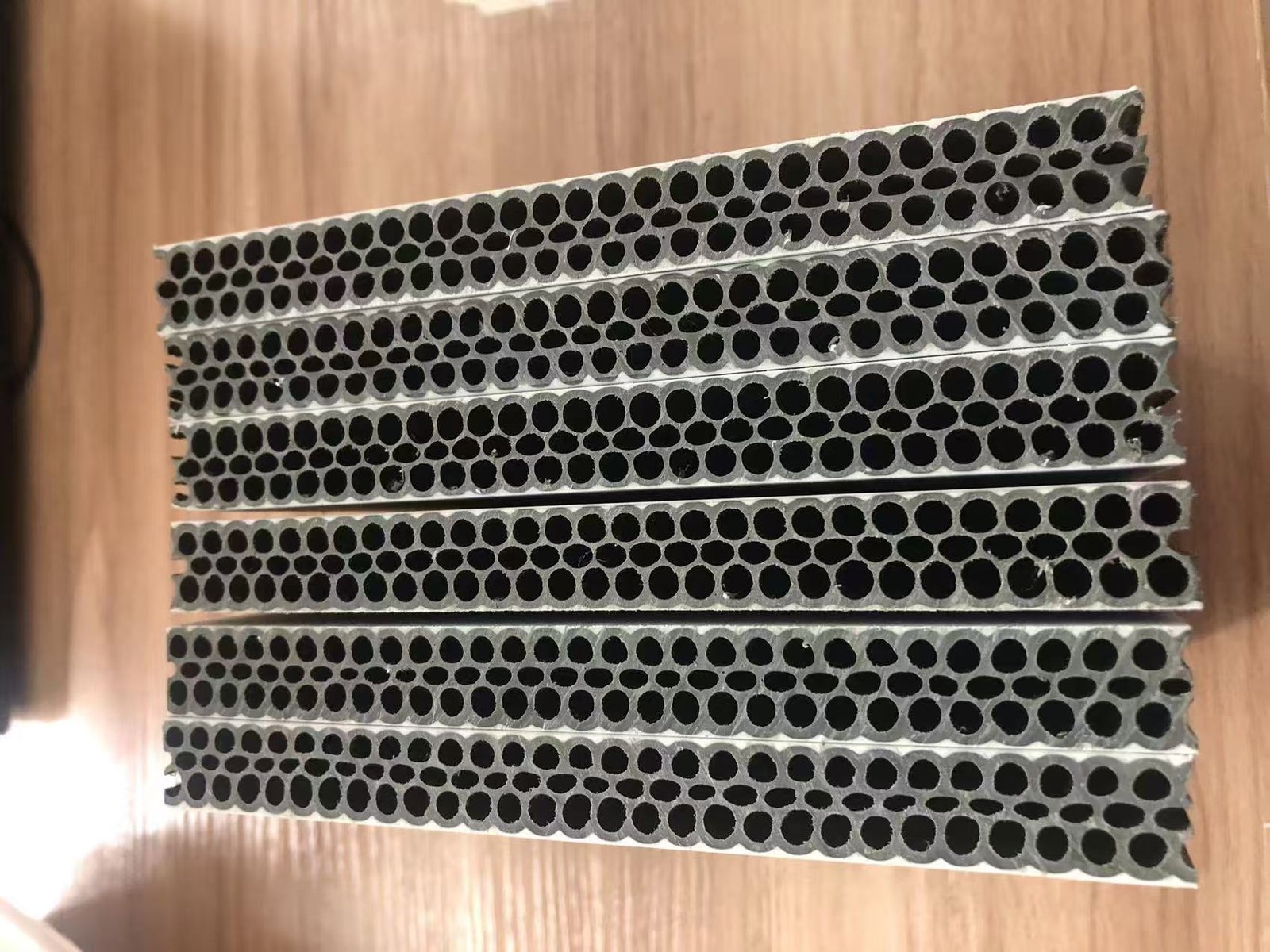
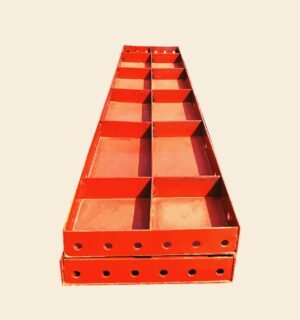
Plastic formwork comes in several types, primarily differentiated by material composition, structural design, and application focus. The most common is PP (polypropylene) hollow-core formwork, featuring a rib-reinforced interior that balances lightness and load-bearing capacity—ideal for walls and slabs.
Another variant is PVC formwork board panels, which offers higher impact resistance and is often used in harsh environments or for custom shapes.
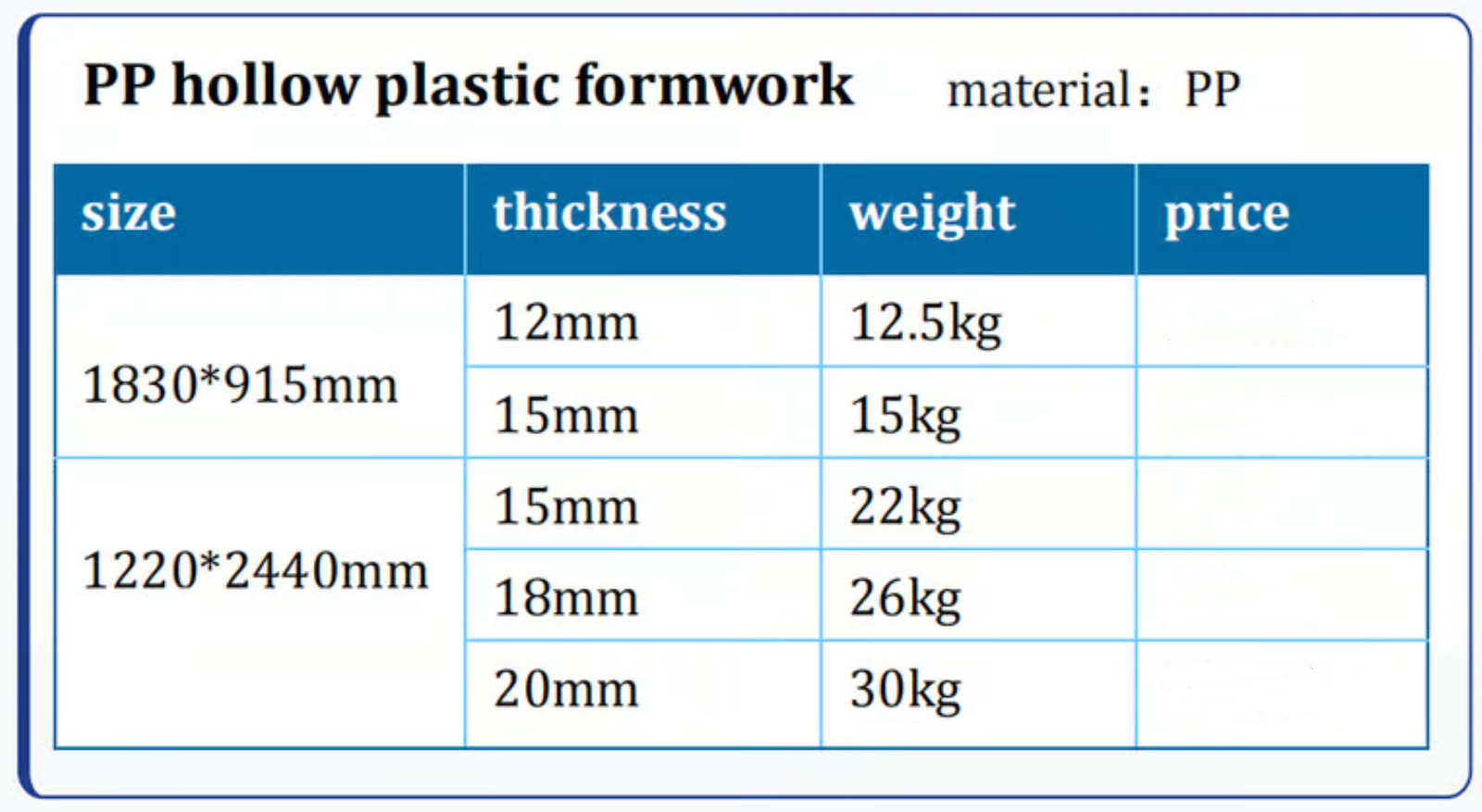
PP hollow plastic formwork Size:
4. PP hollow plastic formwork Advantages
Lightweight & Easy to Handle:
Up to 70% lighter than steel formwork. Enables rapid manual installation and dismantling without heavy machinery, significantly improving on-site productivity and safety. High Strength & Durability:
Manufactured from premium polypropylene (PP) copolymer with a reinforced rib design. Resists warping, corrosion, chemicals, and moisture, ensuring a long service life even in harsh environments. Excellent Concrete Finish:
The smooth, non-absorbent surface produces a clean, uniform, and aesthetically pleasing concrete finish, minimizing the need for surface repairs or rework. Modular & Versatile Design:
standard panel sizes with a compatible locking system allow for flexible assembly into various shapes and configurations for walls, columns, beams, and slabs. Hollow Core Structure:
The unique hollow design provides superior insulation, reduces material usage, and makes the panels incredibly easy to clean and transport. Cost-Effective & Sustainable:
Can be reused over 100 times with proper maintenance, offering a much lower cost-per-use than disposable plywood. It’s also 100% recyclable at end-of-life, supporting green building initiatives.
5. What is the price of PP hollow plastic formwork?
The price of PP hollow plastic formwork typically ranges from $8 to $10 per square meter, depending on factors such as panel thickness (commonly 15mm, 18mm, or 20mm), material grade (virgin vs. recycled PP), order volume, and customization. Standard sizes like 1220×2440 mm are more cost-effective, while custom dimensions or reinforced edges may increase pricing.
For bulk orders (e.g., 500 m²+), suppliers often offer discounts. true value lies in reusability: a single PP panel can be used 50 times, reducing the cost per use to as low as $0.20–$0.30/m²—far below wood or even rented steel. Additional savings come from reduced labor (no cranes or heavy tools), zero disposal fees, and elimination of plastering due to smooth finishes. Pricing may also vary by region due to logistics and import duties. Reputable suppliers usually provide full lifecycle cost analysis to demonstrate long-term ROI. For contractors managing tight margins on residential or mid-scale commercial projects, PP hollow formwork delivers exceptional economic and operational value—making it a smart investment despite the initial outlay.
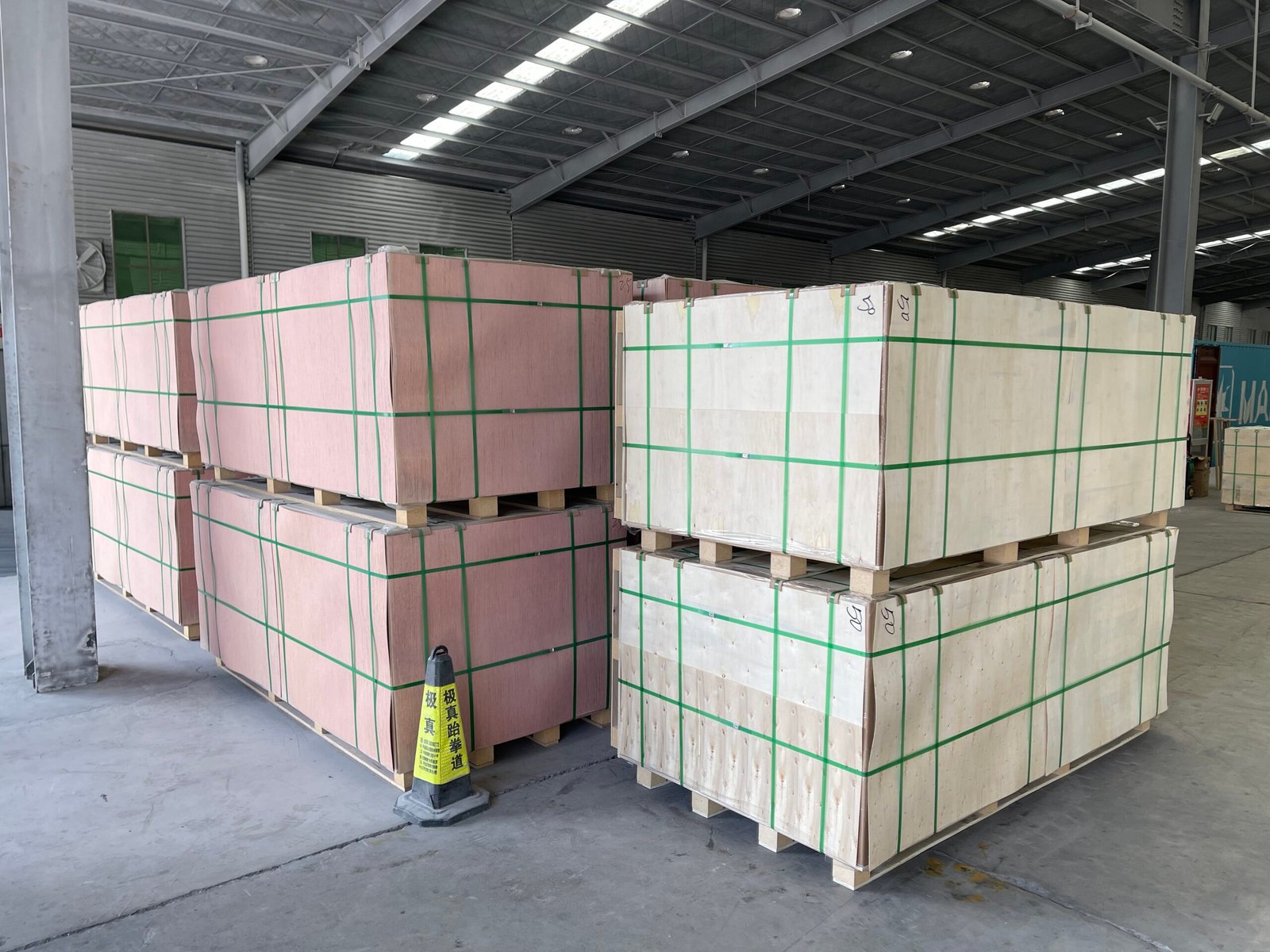
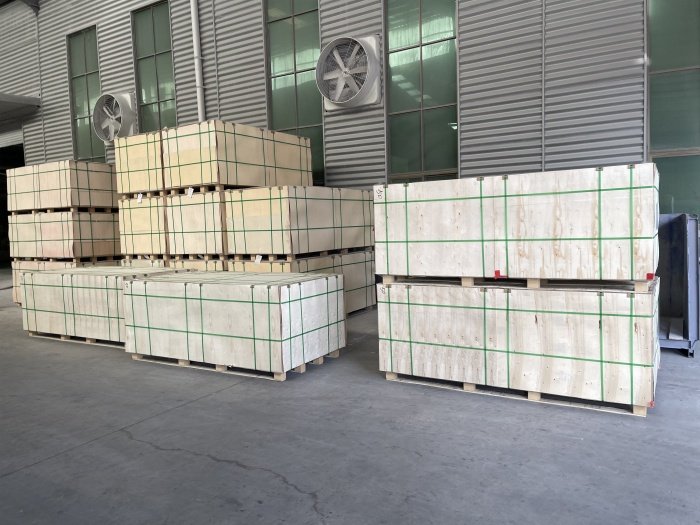
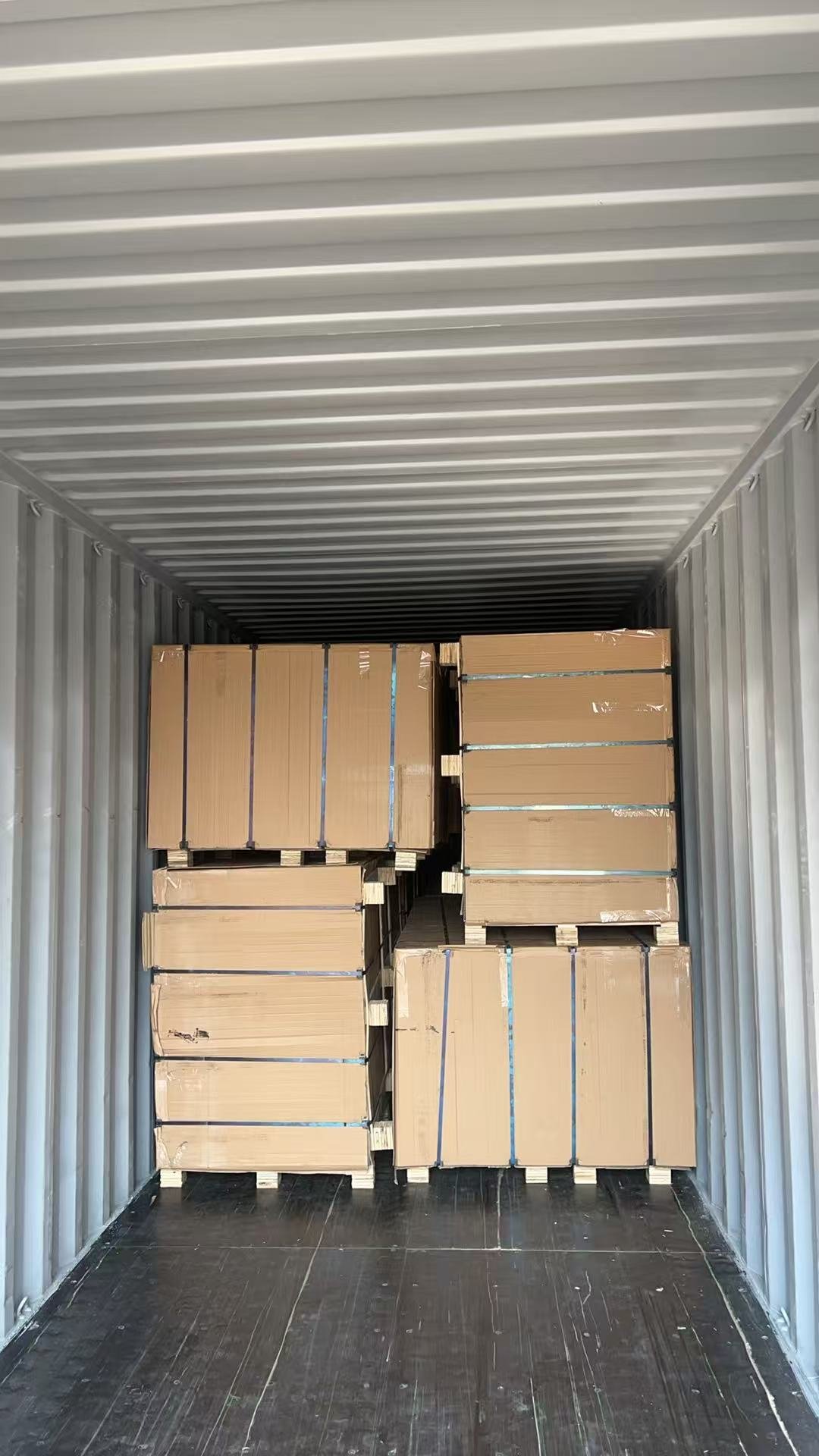
6. PP hollow plastic formwork manufacturer and package
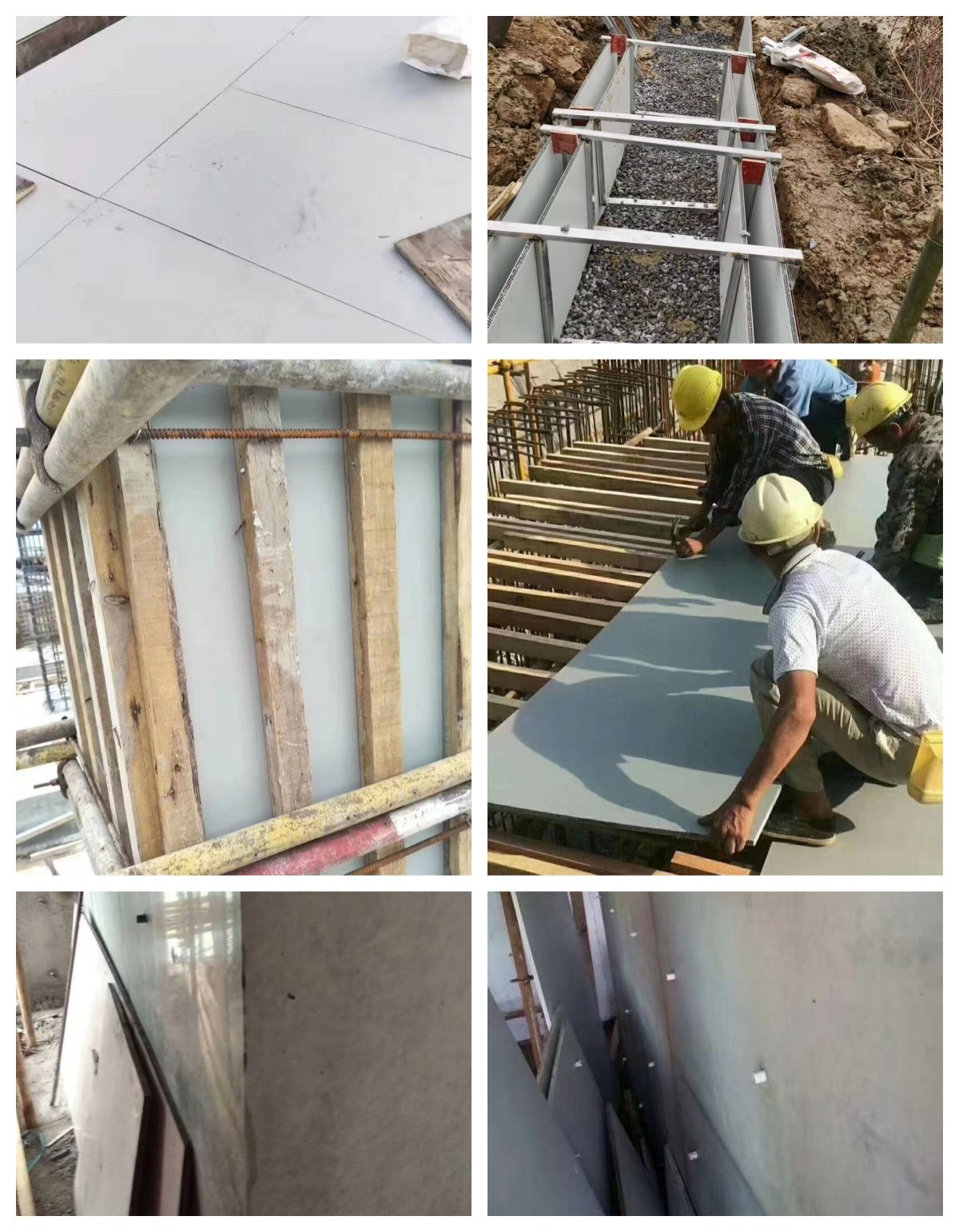
7. PP hollow plastic formwork construction case
PP Hollow formwork features smooth surfaces that produce high-quality concrete finishes, eliminating the need for plastering. It is highly resistant to water, chemicals, and UV radiation (when stabilized), ensuring consistent performance across dozens of reuses.
Unlike wood, it doesn’t absorb moisture or warp;unlike steel, it won’t rust. Widely used in residential and commercial projects for walls, columns, and slabs, this formwork supports sustainable construction by reducing waste and enabling circular reuse. Its durability, ease of handling, and low lifecycle cost have made it a preferred choice among contractors seeking efficient, eco-friendly alternatives to traditional materials.
Reviews
Be the first to review “PP hollow plastic concrete formwork【Manufacturer wholesale price】” Cancel reply