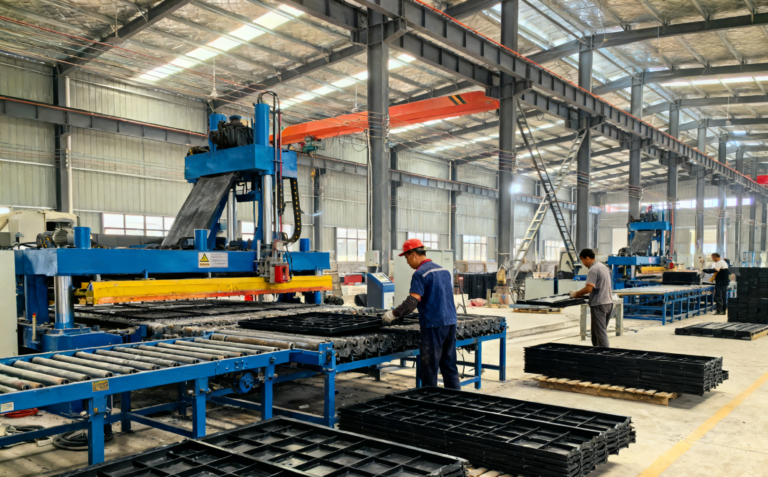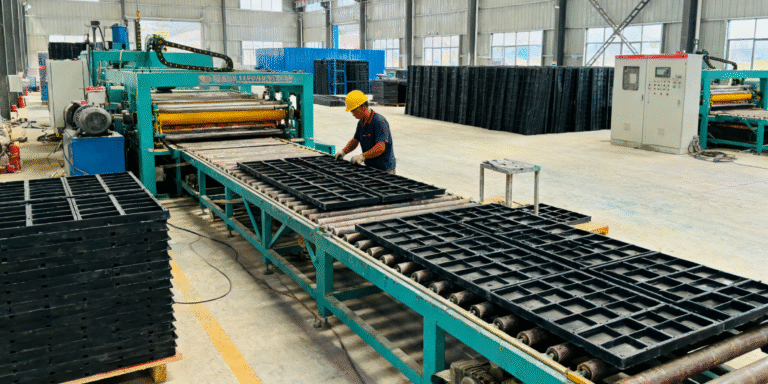

Wooden H20 beam timber plywood, essential structural components for construction, offer competitive pricing with variations based on specifications, materials, and applications. The core price range spans \(3 to \)12 per linear foot for standard models, making them cost-effective alternatives to traditional solid wood joists .
Entry-level options like H16 and basic H20 beams start at \(30 to \)39 per unit for common lengths, ideal for residential flooring and light commercial projects . Mid-range products with phenolic glue and anti-corrosion treatment range from \(35 to \)43 per linear foot, suitable for demanding construction environments . Premium models, such as Australian standard H2S or LVL-based I-joists, can reach $3,100 per unit for large-scale engineering applications like airport construction .
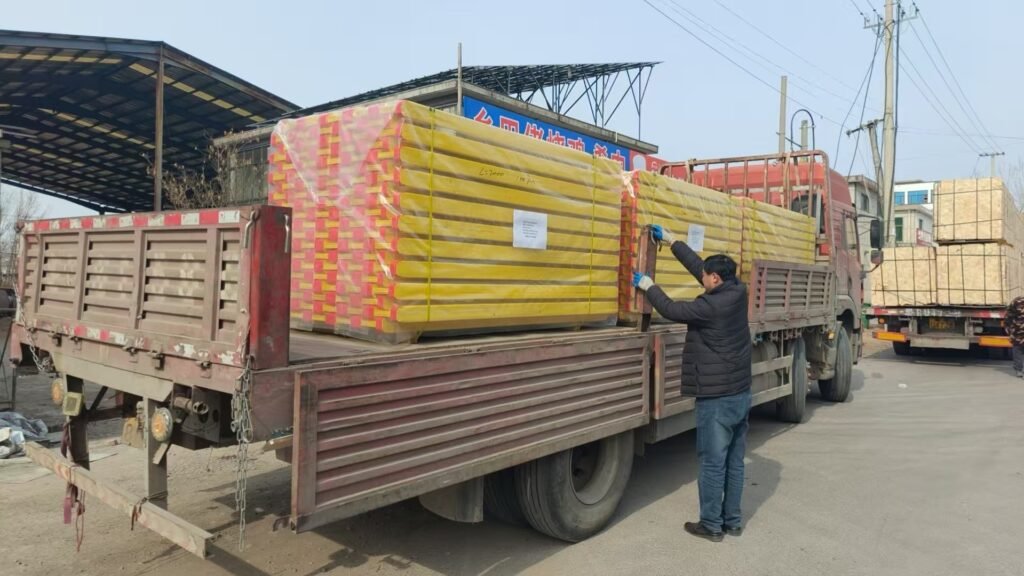
Key pricing factors include size: 9.5-inch depth I-joists cost around \(5.47/ft, while 16-inch depth rises to \)8.36/ft . Material quality also impacts costs—radiata pine or spruce variants are more affordable than imported larch options . Bulk purchases offer discounts: wholesale orders often reduce per-unit costs by 10-15% .
Compared to dimensional lumber (\(2-\)8/ft), H20 beam timber plywood provide better strength-to-cost ratios, offsetting slightly higher initial investments with reduced labor and waste . For replacement projects, the average cost per joist (materials only) is \(350-\)1,000, depending on complexity .
Prices are subject to market fluctuations and supplier availability. Consulting manufacturers for custom specifications—such as length, load capacity, or environmental treatments—ensures accurate quoting for your project’s unique needs.