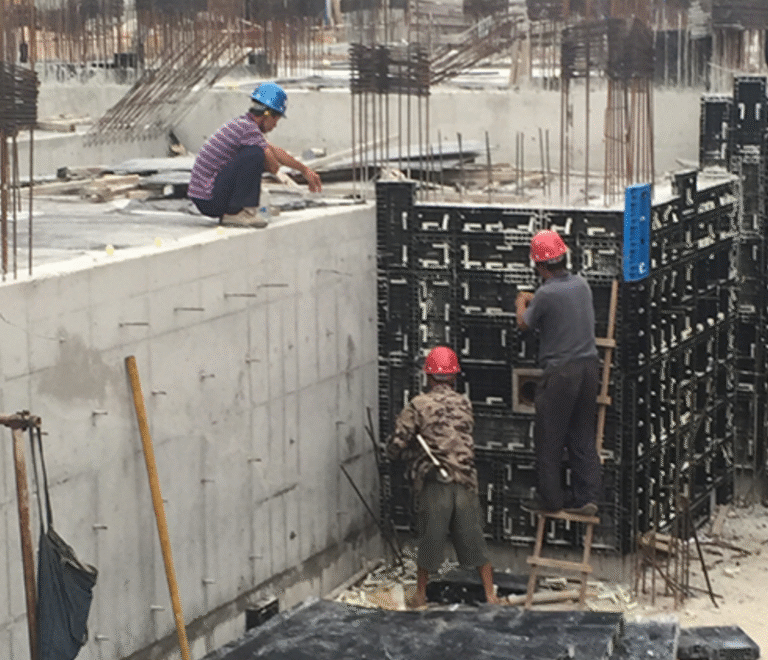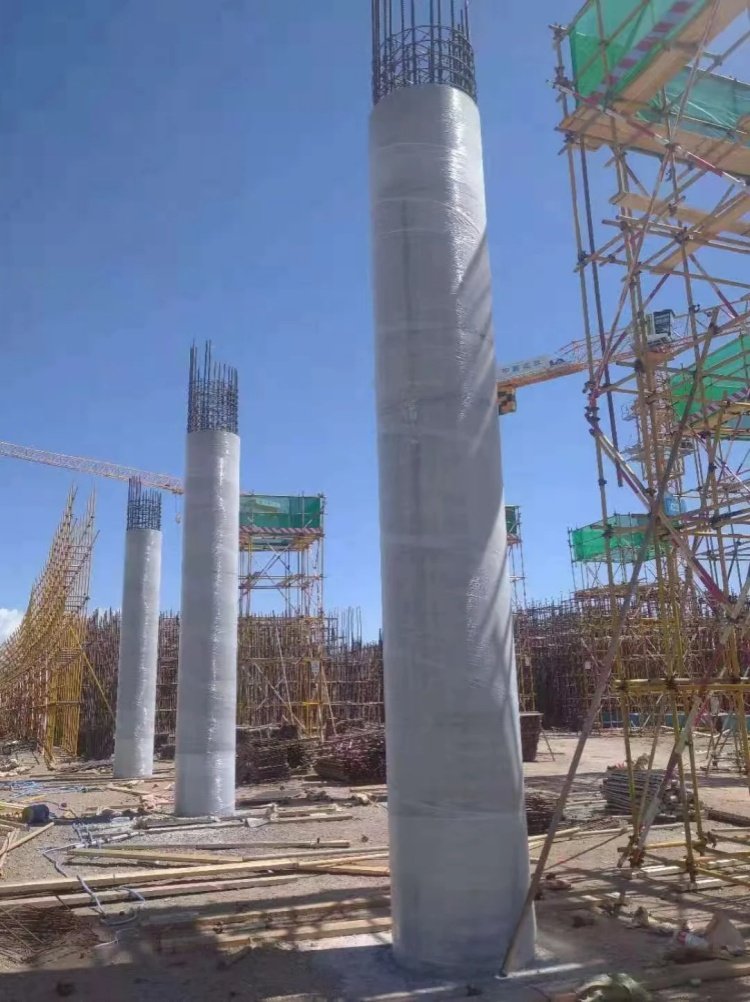

In the fast-paced construction industry, there is a growing demand for efficient, cost-effective, and user-friendly formwork systems. The plastic concrete formwork system has emerged as a transformative solution, steadily replacing traditional wooden and steel formwork due to its exceptional performance and numerous advantages. It not only meets the diverse requirements of construction projects but also significantly improves construction efficiency and optimizes cost control, making it a top choice for many contractors.
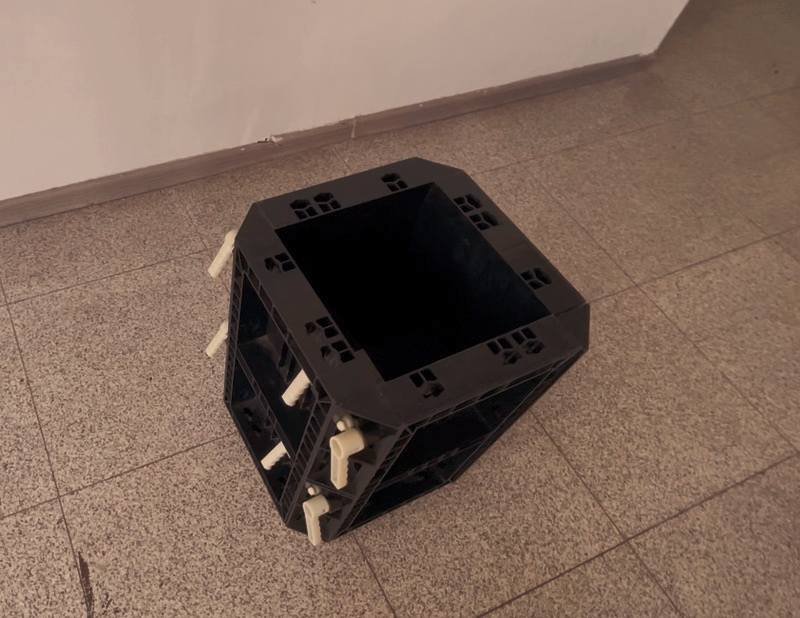
A key advantage of the plastic concrete formwork system is its wide applicability. Unlike traditional formwork, which is often limited to specific structures, plastic formwork is highly versatile and can be used to cast various concrete elements, including columns, walls, beams, and slabs. It can be easily cut and adjusted to fit different sizes and shapes—whether for square columns, load-bearing walls, floor beams, or roof slabs in residential, commercial, or infrastructure projects. This versatility eliminates the need for multiple types of formwork, streamlining the construction process and reducing the hassle of material storage and management.
Its lightweight design is another standout feature. Made from high-strength, lightweight polymers such as polypropylene (PP), the formwork is 60-70% lighter than steel or aluminum formwork, with standard panels weighing only 15-20 kg. This light weight enables manual operation, eliminating the need for large lifting machinery or heavy equipment—making it particularly suitable for small and medium-sized construction projects where large machinery is inaccessible or cost-prohibitive. Workers can easily carry, install, and disassemble the formwork, significantly reducing labor intensity, boosting construction efficiency, and lowering the risk of heavy lifting-related accidents.
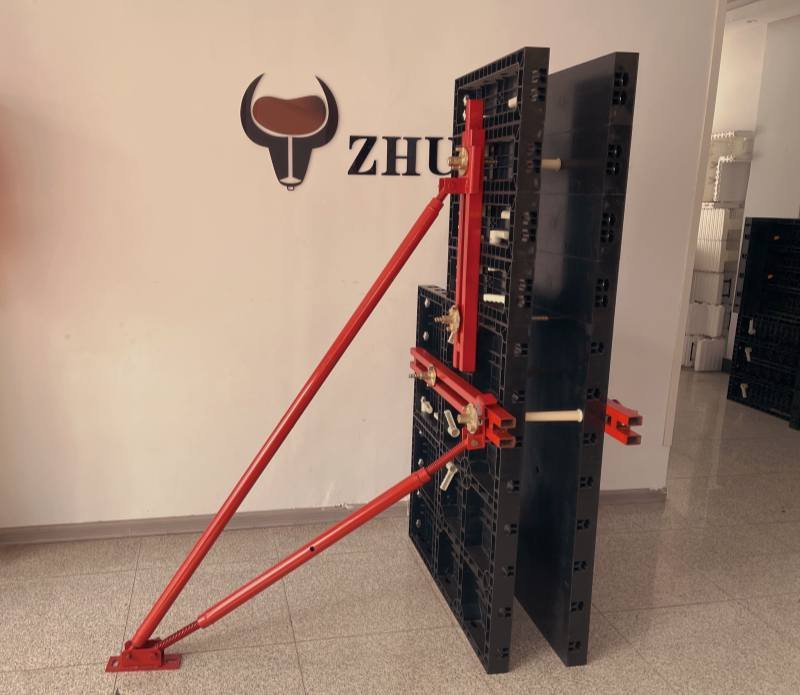
The plastic concrete formwork system is also simple and convenient to construct and reinforce, further enhancing its practicality. The standard reinforcement process involves three straightforward steps: first, reinforce the formwork panels with square steel back ridges (or H20 beam plywood)to ensure rigidity and stability, preventing deformation during concrete pouring; second, secure the panels tightly with through-wall screws to ensure a tight connection and avoid concrete leakage; finally, add diagonal supports to fix the entire formwork system, ensuring verticality and stability—especially for tall wall structures. This simple reinforcement process requires no specialized skills; ordinary workers can master it quickly with basic training, shortening the construction cycle.
For construction companies, cost savings are undoubtedly the most appealing benefit of the plastic concrete formwork system. Unlike wooden formwork, which is easily damaged and can only be used 3-5 times, or steel formwork, which incurs high maintenance costs, plastic formwork can be reused more than 100 times with proper maintenance—even up to 200 times for high-quality products. This high turnover rate drastically reduces formwork material costs, as there is no need for frequent replacement. Additionally, its lightweight design reduces labor costs, and the simple installation and disassembly process saves construction time, cutting overall project costs by 25-30% compared to traditional formwork systems.
In summary, the plastic concrete formwork system combines versatility, lightweight design, easy reinforcement, and high turnover, introducing a new model to the construction industry. It not only adapts to the diverse needs of various construction projects but also helps companies cut costs and improve efficiency. As construction technology continues to advance, the plastic concrete formwork system will undoubtedly gain wider adoption, contributing more to the sustainable and efficient development of the construction industry.
Leave your message, and Zhuniu Formwork Company will matching concrete formworks suitable for you and best discount !!