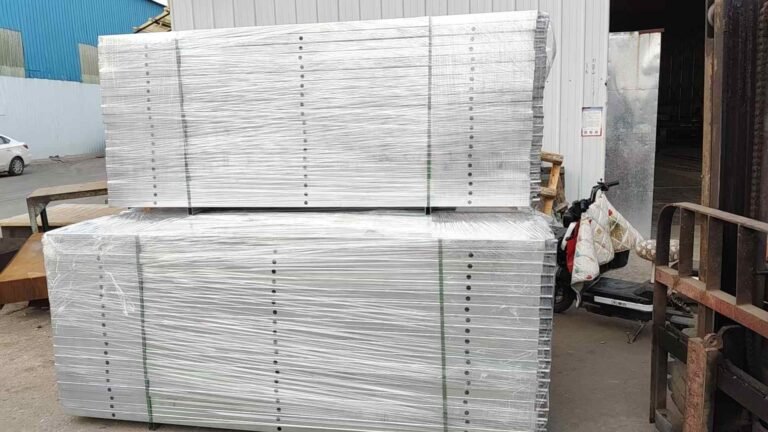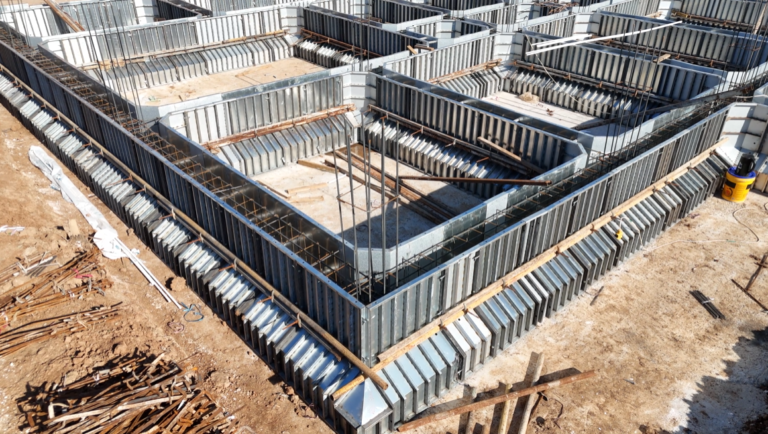

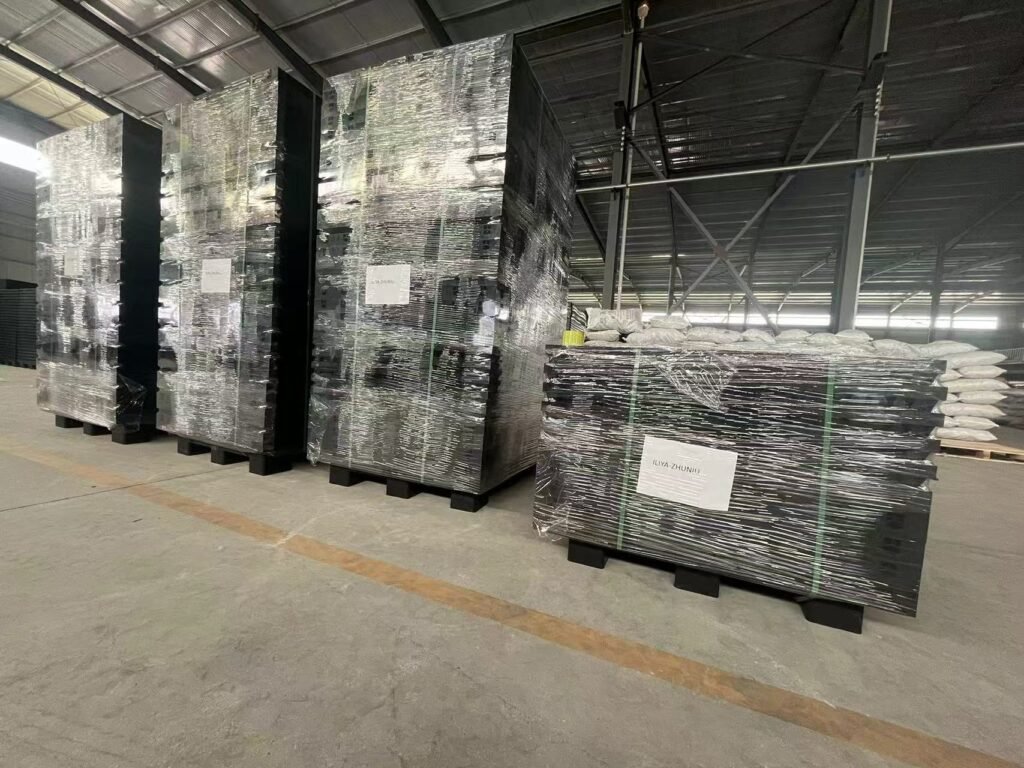
In modern concrete construction, formwork serves as a fundamental temporary structure that shapes wet concrete and ensures the dimensional accuracy and surface quality of finished components. Traditional formwork solutions, such as wooden plywood and ordinary steel formwork, suffer from prominent drawbacks: wooden formwork is prone to deformation, rot and damage after only 3 to 5 uses, while steel formwork is heavy, cumbersome to operate and susceptible to rust. In contrast, plastic reusable formwork for concrete has emerged as a revolutionary construction material, standing out in the construction industry primarily for its outstanding reusability, stable structural performance and low comprehensive cost. Depending on raw material composition and manufacturing standards, reusable plastic concrete formwork is mainly divided into three types with distinct service cycles and performance characteristics, meeting the diverse needs of different construction scenarios.
The first category is formwork manufactured from recycled PP (polypropylene) materials. As a cost-effective and eco-friendly option, it fully utilizes recycled plastic resources, realizing resource recycling while reducing material costs for construction projects. With standardized production and strict quality control, this recycled PP plastic formwork maintains excellent structural stability during repeated concrete pouring and demolding processes. Under standard construction operation and proper daily maintenance, it can be reused for approximately 40 times without obvious deformation. It effectively resists the lateral pressure of wet concrete, avoids bulging, warping or cracking of the formwork panel, and guarantees the basic flatness and dimensional precision of concrete structures. This type of formwork is highly suitable for small and medium-sized construction projects, short-cycle engineering and temporary concrete construction parts, striking a perfect balance between economic benefits and basic use performance.
The second type is virgin PP (polypropylene) plastic formwork, which adopts brand-new pure polypropylene raw materials without any recycled additives. Compared with recycled PP formwork, the virgin material features more uniform molecular structure, higher structural density and stronger fatigue resistance. These inherent advantages enable the formwork to withstand long-term repeated pouring, vibration and disassembly impacts. Its service life is significantly upgraded, achieving a reusable cycle of around 100 times with zero deformation. In addition to stable anti-deformation performance, virgin PP formwork boasts better toughness, waterproofness and corrosion resistance. It is not affected by humid construction environments, concrete alkalinity or long-term outdoor exposure, avoiding common problems like mildew, decay and brittle failure of traditional wooden formwork. It is an ideal choice for medium and large-scale construction projects with high construction frequency and continuous operation requirements.
The third type is virgin ABS (Acrylonitrile Butadiene Styrene) plastic formwork, a high-end upgraded version of reusable plastic formwork. Similar to virgin PP formwork, it supports about 100 repeated uses without deformation, meeting the high-frequency use demands of large and super-large construction projects. What distinguishes ABS formwork from PP formwork is its superior comprehensive surface performance and structural hardness. ABS raw materials have excellent rigidity, surface fineness and wear resistance, making the formwork panel ultra-smooth and flat. When used for concrete pouring, it can produce extremely smooth concrete surfaces with no obvious pores, scratches or uneven marks, greatly reducing subsequent plastering, polishing and surface repair work and effectively saving labor and time costs. Meanwhile, its higher hardness enables it to resist stronger concrete lateral pressure and external impact, with better pressure resistance and structural stability. It is particularly applicable to high-standard construction scenarios such as high-grade commercial buildings, municipal engineering, and concrete components with strict requirements on surface flatness and appearance quality.
To sum up, the three types of reusable plastic concrete formwork cover gradient performance from economical practicality to high-end precision. Recycled PP formwork meets low-cost and medium-frequency use needs, virgin PP formwork achieves high-frequency and stable long-term use, and virgin ABS formwork realizes high-frequency reuse while delivering superior concrete molding quality. With prominent reusability, durable performance and low later-stage maintenance costs, plastic reusable formwork effectively reduces construction waste, lowers the comprehensive construction cost of projects, and conforms to the development trend of green, efficient and sustainable modern construction. It has become an increasingly popular alternative to traditional formwork materials in the global construction industry.